

A lot of buyers say the same thing.
“I think we’ll wait.”
Wait for prices to drop.
Wait for the market to cool.
Wait until things feel more certain.
On the surface, waiting sounds responsible. Safe. Smart.
But what most people don’t realize is that waiting has a cost too.
The hidden costs of waiting to buy rarely show up in headlines or online calculators. They aren’t obvious like a monthly payment or a closing cost. They happen quietly in the background, and over time, they can add up to far more than buyers expect.
The first cost is lost equity.
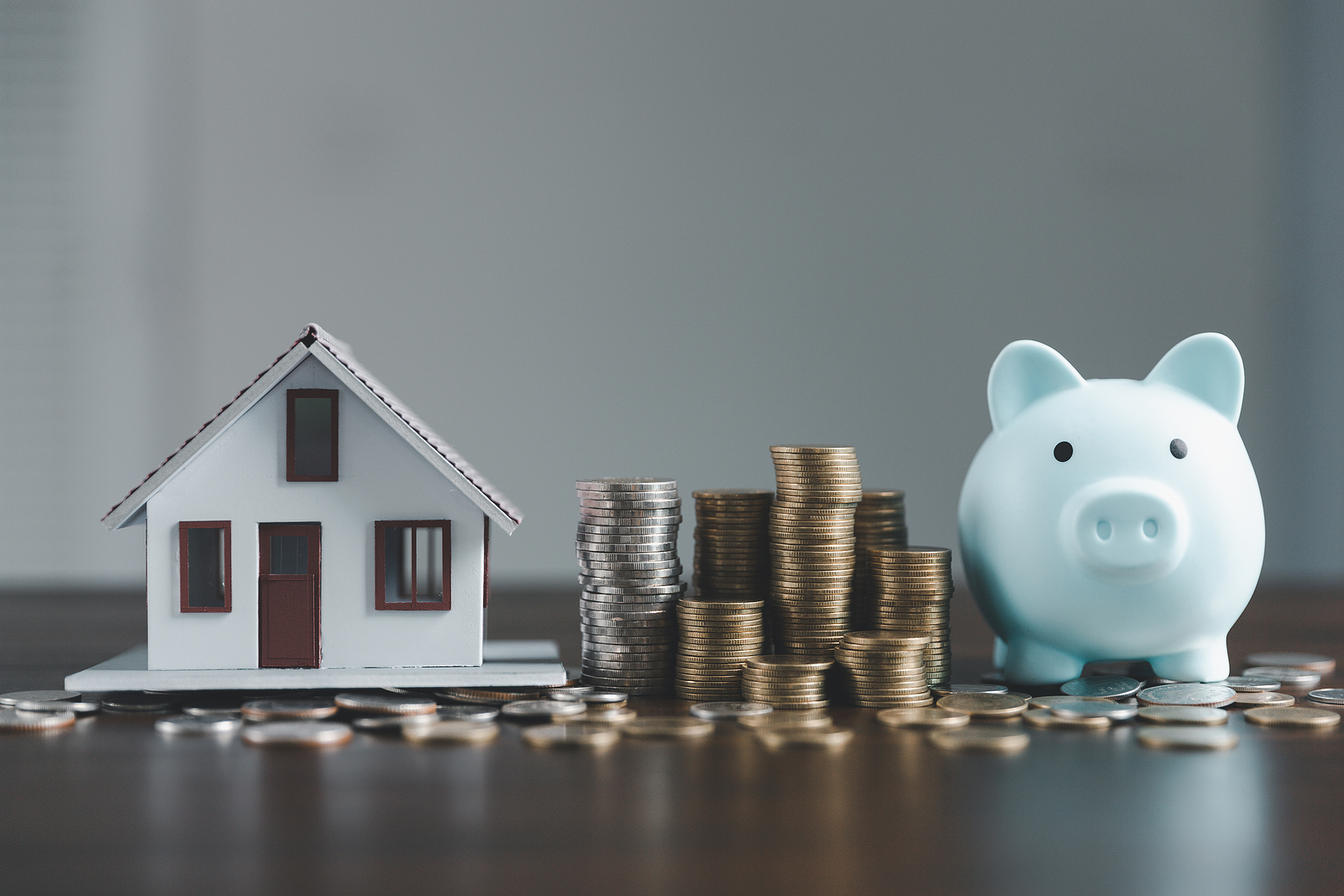
Every month you rent, your payment disappears. It covers housing, but it doesn’t build ownership. It doesn’t grow wealth. It doesn’t give you anything back.
When you own, part of every payment reduces your loan balance. That reduction turns into equity. Even small amounts add up quickly over time.
Waiting one or two years may not feel like much, but that’s two years of missed principal paydown. Two years of missed appreciation. Two years where someone else benefits instead of you.
That’s one of the biggest hidden costs of waiting to buy. Time works for owners. It works against renters.
Rent itself is another quiet expense.
Rents rarely stay flat. They tend to rise steadily, especially when demand stays strong. Every lease renewal often comes with an increase. What feels affordable today may feel tight next year.
Unlike a mortgage, rent offers no stability. No predictability. No ceiling.
You may think you’re saving money by waiting, but if rent increases year after year, that “savings” disappears faster than expected.
Then there’s appreciation.
Home values move up and down in the short term, but over longer periods, they tend to trend upward. When you own during those years, you benefit. When you wait, you miss it.
Even modest appreciation can change the math quickly. A small increase in home prices may require a larger down payment later. The same house simply costs more.
Buyers often focus on timing the market perfectly. But perfection is rare. Meanwhile, appreciation keeps moving forward.
This is another one of the hidden costs of waiting to buy that people only notice in hindsight. The home they could afford last year is suddenly out of reach this year.
There’s also the lifestyle cost, which doesn’t show up on a spreadsheet but matters just as much.
Waiting delays plans.
Maybe you want more space. A yard. A home office. A quieter street. A shorter commute. A place that actually feels like yours.
When you wait, life stays on pause.
You postpone hosting family. You postpone settling in. You postpone creating stability. You postpone the feeling of ownership and control.
Those things have value too.
A home isn’t just a financial decision. It’s a life decision. And delaying it often means delaying the life you want to live.
Another overlooked factor is mental energy.
Constantly watching the market, checking listings, second-guessing timing, and wondering “is now the right time?” can drag on for years. Buyers get stuck in analysis mode instead of action mode.
At some point, clarity matters more than perfection.
That doesn’t mean everyone should rush out and buy tomorrow. It simply means waiting isn’t free. It carries its own trade-offs.
The hidden costs of waiting to buy include missed equity, rising rents, higher future prices, and delayed lifestyle benefits. Those costs are real, even if they’re less visible.
The goal isn’t to predict the perfect moment. It’s to make a smart decision based on your personal situation, stability, and readiness.
If you plan to stay put for several years, have steady income, and feel ready for ownership, waiting for “ideal” conditions may not help as much as you think.
Because while you’re waiting for the market to change, life keeps moving forward.
And often, the biggest opportunity isn’t about timing the market.
It’s about getting started.
